
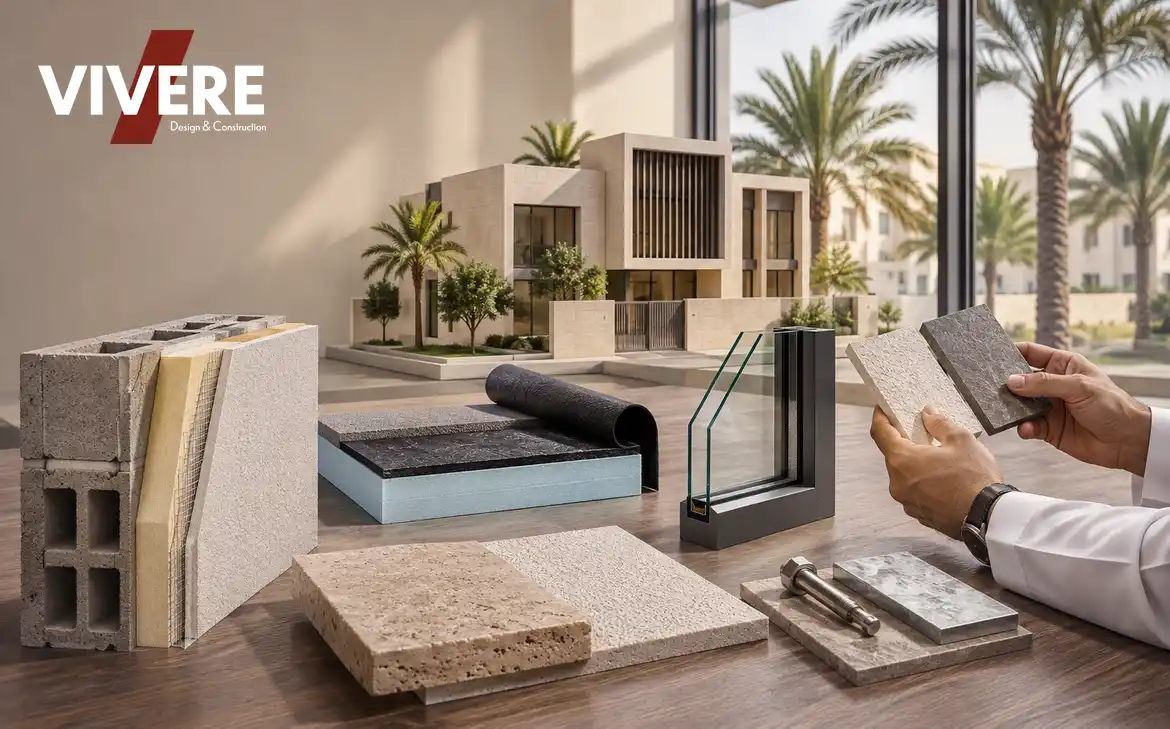
Reducing the cost of building a villa does not necessarily mean choosing cheaper materials or compromising on quality. In many cases, the most effective savings come from making smarter decisions before construction begins.
The design, layout, structural system, material specifications, and coordination between engineering disciplines all influence the final construction budget. Decisions made early in the project can help avoid unnecessary expenses, reduce waste, and minimize costly changes during execution.
For villa owners in Jeddah, a well-planned approach can make the difference between a project that stays close to its budget and one that requires repeated adjustments and additional spending.
Here are practical ways to reduce villa construction costs while maintaining quality, functionality, and long-term performance.
1. Start by Optimizing the Villa's Space
One of the most effective ways to control construction costs is to review the required spaces before finalizing the architectural design.
A larger built-up area generally requires more materials, labor, finishing work, and building services. However, reducing the area indiscriminately can make the villa uncomfortable or unsuitable for the family's needs.
Instead, focus on making better use of the available space.
Consider the following design decisions:
- Avoid oversized corridors and circulation areas that do not add practical value.
- Plan room dimensions according to their intended use and furniture requirements.
- Consider flexible spaces that can serve more than one purpose.
- Review the number and size of reception areas based on actual family needs.
- Reduce unused or rarely occupied spaces without affecting essential functions.
A carefully planned layout can provide the required living experience without unnecessary built-up areas.
It is also important to distinguish between the plot area and the total built-up area. A villa's construction area may be distributed across multiple floors, subject to the applicable regulations and the approved design.
2. Keep the Architectural Design Efficient
Architectural complexity can affect construction cost.
Unnecessary projections, complicated façade details, irregular building shapes, and excessive changes in levels may require additional structural work, specialized finishing, and more complicated construction details.
This does not mean that every villa should have a simple or repetitive appearance. Rather, the objective is to achieve a distinctive design through well-considered architectural decisions.
Some practical approaches include:
- Use a coherent architectural form instead of adding decorative elements without a clear purpose.
- Reduce unnecessary changes in external walls and floor levels.
- Coordinate façade features with the structural design.
- Choose materials and details that can be implemented efficiently.
- Balance the architectural appearance with construction practicality.
A well-designed façade can achieve visual distinction through proportions, materials, openings, and carefully selected details rather than relying on excessive ornamentation.
For more guidance, explore our article on villa façade design in Jeddah.
3. Coordinate Structural Design With the Actual Project Requirements
Structural design is a critical part of construction planning. The goal is not simply to minimize the amount of concrete or steel, but to develop a safe and efficient structural solution that responds to the building's design and site conditions.
Structural decisions should consider factors such as:
- The architectural layout and proposed spans.
- The number of floors and intended building use.
- The soil investigation results.
- Applicable engineering standards and building regulations.
- Coordination with mechanical, electrical, and plumbing requirements.
A structural system that is not properly coordinated with the architectural design may lead to changes during construction, additional work, or conflicts between structural elements and service routes.
Soil investigation is also important because foundation design must respond to the actual ground conditions. The geotechnical report provides information that helps engineers determine an appropriate foundation solution; it does not automatically mean that a smaller or less expensive foundation will be suitable.
The objective is to avoid both overdesign and inadequate design by relying on project-specific engineering calculations.
Learn more about soil testing before building in Jeddah.
4. Choose Finishing Materials Based on Value, Not Price Alone
Finishing materials can account for a significant part of the villa construction budget. Choosing the least expensive option may reduce the initial cost, but it could lead to higher maintenance expenses or early replacement.
A better approach is to evaluate materials according to their quality, durability, appearance, maintenance requirements, and suitability for the intended space.
For example:
- Select flooring according to the level of use and maintenance requirements of each area.
- Choose façade materials that are appropriate for the local climate and exposure conditions.
- Compare different kitchen and bathroom finishes based on durability and practical performance.
- Avoid expensive materials in areas where they do not provide meaningful functional or aesthetic benefits.
- Maintain consistent material specifications across similar spaces where appropriate.
It is also useful to establish the finishing specifications early. This helps reduce last-minute substitutions and unexpected cost increases.
For additional guidance, read our article about building materials suitable for Jeddah's climate.
5. Plan Mechanical, Electrical, and Plumbing Systems Early
Mechanical, electrical, and plumbing (MEP) systems should be coordinated with the architectural and structural design from the early stages of the project.
When service routes, equipment locations, drainage points, electrical requirements, and air-conditioning systems are not considered early enough, changes may become necessary during construction.
Such changes can involve breaking completed surfaces, modifying ceilings, moving installations, or purchasing additional materials.
Early coordination helps to:
- Identify possible conflicts between service routes and structural elements.
- Plan air-conditioning equipment and distribution systems.
- Position electrical outlets, lighting points, and control systems appropriately.
- Coordinate plumbing routes, drainage, and bathroom layouts.
- Reduce avoidable modifications during execution.
The purpose is not to add unnecessary systems or specifications, but to ensure that the selected systems are appropriate for the villa and properly integrated into the design.
6. Reduce Construction Waste and Avoid Unnecessary Changes
The construction phase also offers opportunities to control costs.
Unplanned changes, unclear drawings, inaccurate measurements, poor material planning, and insufficient coordination can result in wasted materials and additional labor.
To reduce these risks:
- Finalize the main design decisions before starting the relevant construction work.
- Ensure that drawings and technical details are coordinated.
- Review material quantities and specifications before ordering.
- Organize construction activities to reduce unnecessary delays.
- Monitor workmanship and verify that completed work follows the approved drawings.
- Document and evaluate any proposed design changes before implementing them.
Not every change can be avoided. Some adjustments may be necessary as the project develops. However, identifying potential issues early is generally more efficient than correcting them after work has been completed.
Clear communication between the owner, consultants, contractors, and other project participants is essential for controlling unnecessary expenses.
7. Consider Long-Term Operating and Maintenance Costs
A villa's cost should not be evaluated only by its construction budget. The decisions made during design can also influence energy consumption, maintenance requirements, and the cost of future repairs.
For a city such as Jeddah, where buildings are exposed to high temperatures and humidity, the building envelope and the selection of suitable materials deserve particular attention.
Consider the following:
- Specify appropriate thermal insulation for the building envelope.
- Select windows and glazing based on relevant thermal performance characteristics.
- Pay attention to waterproofing and moisture protection.
- Choose exterior materials suitable for the building's exposure conditions.
- Plan access to equipment and systems for inspection and maintenance.
A cheaper initial specification is not necessarily the most economical option over the life of the building. The right choice should balance initial investment, expected performance, and future maintenance.
What Should Never Be Compromised to Reduce Construction Costs?
Reducing construction costs should not come at the expense of safety, regulatory compliance, or the long-term performance of the villa.
Certain elements require particular attention and should be designed and implemented according to the approved engineering requirements.
These include:
- Structural safety and foundation design.
- Waterproofing and protection against moisture.
- Electrical and plumbing installations.
- Appropriate thermal insulation.
- Quality control and proper supervision.
- Compliance with applicable building codes and regulations.
The objective is to eliminate unnecessary expenses, not to remove essential requirements or replace suitable materials with inadequate alternatives.
How Can an Engineering Consultancy Help Control the Budget?
Cost control begins with informed decisions during the planning and design stages.
An engineering consultancy can help the villa owner evaluate space requirements, develop an appropriate architectural concept, coordinate engineering disciplines, and prepare drawings and specifications that support a more organized construction process.
The scope of involvement may include architectural design, engineering coordination, technical documentation, and supervision or project management where these services are included in the agreed contract.
At VIVERE, our approach focuses on understanding the owner's requirements and translating them into coordinated design solutions that balance functionality, architectural quality, and practical project considerations.
Explore our architectural design services to learn more about our approach.
Frequently Asked Questions
1. What is the best way to reduce villa construction costs?
Start by optimizing the built-up area and making efficient architectural decisions. Early coordination between architectural, structural, and MEP designs can also help prevent avoidable changes and additional expenses during construction.
2. Does simplifying the villa's design reduce construction costs?
It can. A more efficient architectural form may reduce construction complexity, material waste, and the need for specialized details. However, the final impact depends on the design, structural system, materials, and construction requirements.
3. Should I choose cheaper finishing materials to save money?
Not necessarily. Compare materials based on durability, maintenance, performance, and suitability for their intended use. A lower initial price may result in higher maintenance or replacement costs later.
4. Can structural design help reduce the construction budget?
Yes. A properly engineered structural solution that responds to the architectural design, soil conditions, and building requirements can help avoid unnecessary structural elements and costly modifications. Structural safety must always remain the priority.
5. When should I start planning the construction budget?
Budget planning should begin before finalizing the architectural design. Establishing the available budget and required spaces early helps guide design decisions and reduces the likelihood of major changes later.
Final Thoughts
Reducing villa construction costs is not about choosing the cheapest options at every stage. It is about making informed decisions that prevent waste, improve coordination, and ensure that each part of the project serves a clear purpose.
By optimizing the layout, simplifying unnecessary design complexity, coordinating engineering disciplines, selecting suitable materials, and planning construction carefully, villa owners can control expenses without sacrificing essential quality.
The most effective savings often begin on paper, long before construction starts.