
Common Villa Construction Mistakes in Jeddah: Decisions That Can Cost You Time and Money
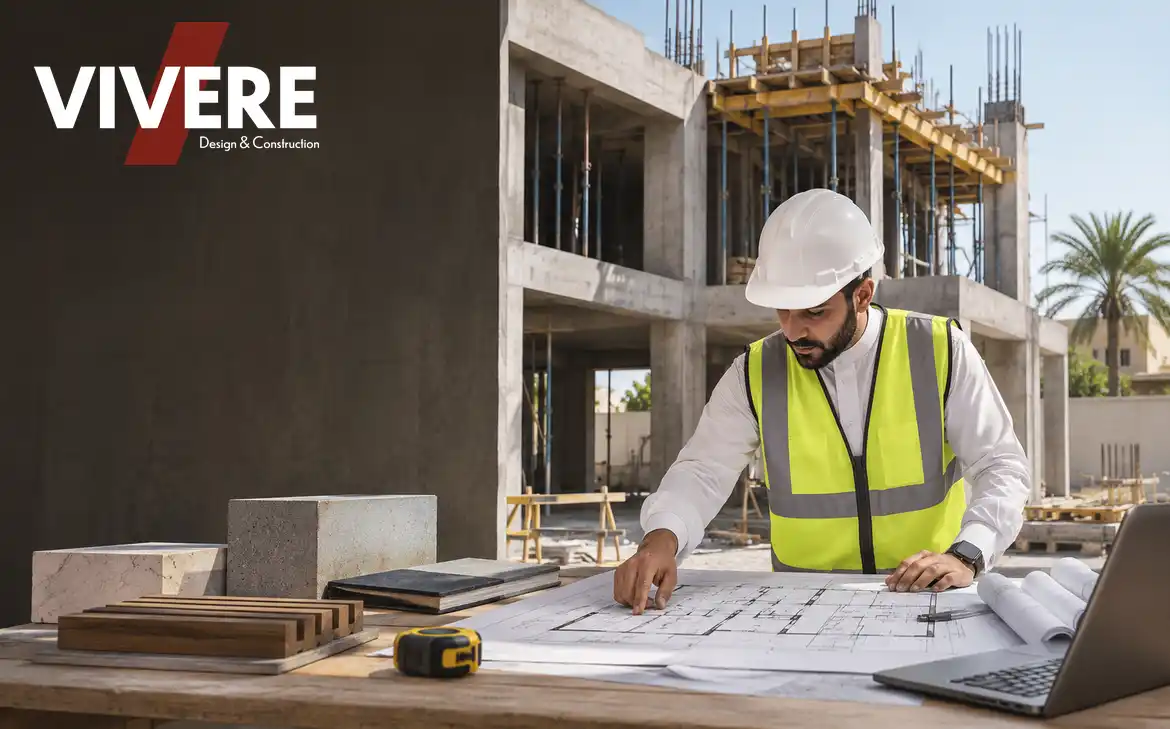
Many problems encountered during villa construction in Jeddah do not begin on the construction site. They often start months earlier, during the planning and design stages. A decision made without sufficient consideration may later result in cracks, water leaks, demolition and rework, or construction costs that exceed the original budget.
In this guide, we explore ten common mistakes that villa owners may make when building in Jeddah. They are organized according to the main stages of a project: before design, during design, and during construction. For each mistake, we explain its potential impact, how to avoid it, and the role an engineering consultancy can play in reducing the risk.
The purpose is not to discourage you from building, but to help you make informed decisions at the right time, when changes are generally easier and less expensive to address.
Common Mistakes Before Starting the Design
This is one of the least expensive stages of a project, yet the decisions made during this period can influence everything that follows.
1. Starting Without Clearly Defining Your Requirements and Budget
Some villa owners begin by requesting a "modern five-bedroom villa" without first discussing the household's size, lifestyle, current and future needs, or actual budget limitations.
The Impact: The result may be an attractive design that does not suit the family's needs, or a design that exceeds the available budget and requires significant changes or reductions after months of work.
How to Avoid It
Prepare a clear list of requirements before your first meeting with the engineering consultancy. Include the number of bedrooms, majlis and reception areas, living spaces, service areas, privacy requirements, and any potential future extensions.
Establish a preliminary budget covering design, construction, and finishing works, while allowing for contingencies and possible changes.
You can also refer to our guide on Villa Construction Costs in Jeddah to better understand the main cost items that should be considered when preparing your budget.
The Role of the Engineering Consultancy: Translate the family's requirements into a clear space program that provides the basis for architectural design. This is an essential step in the Residential Architectural Design Process.
2. Ignoring Soil Testing Before Approving the Structural Design
Relying on soil investigation results from a neighboring plot or postponing soil testing to save time can lead to engineering decisions based on incomplete assumptions.
Soil conditions can vary from one plot to another, even within the same neighborhood. In some areas of Jeddah, groundwater levels, soil salts, or the characteristics of underground soil layers may require particular attention.
The Impact: Inadequate site information may result in an unsuitable foundation solution, the need to revise the structural design, or problems such as settlement and cracking, depending on the ground conditions and the nature of the design or construction issue.
How to Avoid It
Arrange a geotechnical investigation for your actual project site before the structural foundation design is finalized. The investigation should provide the information and test results required to understand the soil conditions and evaluate the site's specific engineering requirements.
For more details, read our article on Soil Testing for Construction in Jeddah.
The Role of the Engineering Consultancy: Identify the geotechnical information required for the project, review the investigation report, and use its findings as part of the structural design process to determine suitable foundation systems and site-specific protection measures.
3. Ignoring Planning and Regulatory Requirements Before Design
Some property owners begin designing their villas or purchase ready-made plans before checking the regulatory requirements that apply to their plots.
They may later discover that permitted setbacks, building coverage ratios, or height restrictions differ from their original assumptions.
The Impact: The design may need to be revised, building permit procedures may be delayed, and some of the areas the owner expected to use may no longer be available.
How to Avoid It
Review the applicable planning and regulatory requirements for your plot before finalizing the design. This includes checking plot dimensions, setbacks, permitted building coverage, height restrictions, and any other conditions related to the property's location.
You can also read our guide on Building Permits in Jeddah to understand the relevant requirements and the role of an engineering consultancy.
The Role of the Engineering Consultancy: Develop the design in accordance with the applicable requirements for the specific plot and review the relevant technical conditions before submission. This helps reduce the likelihood of comments, revisions, or resubmission.
Common Mistakes During the Design Stage
Changes made during design may require updates to drawings and technical details. The same changes made after construction begins may involve demolition, rework, and additional costs.
4. Choosing a Ready-Made Villa Plan Without Adapting It to the Plot
You may find a villa design you like in another neighborhood and consider using it for your own plot without accounting for differences in dimensions, orientation, surrounding streets, and neighboring buildings.
However, a design that works well for one plot is not necessarily suitable for another, even when the land areas are similar.
The Impact: This may result in poorly positioned entrances, rooms and façades exposed to afternoon sun without adequate shading considerations, windows that compromise family privacy, or inefficient spaces created by plot setbacks.
How to Avoid It
Use ready-made plans as references for ideas and inspiration, not as final designs. The architectural design should begin with an assessment of your actual plot, including its dimensions, streets, neighboring properties, sun orientation, prevailing conditions, and applicable regulatory requirements.
For a practical example, explore our article on Villa Design on a 600 sqm Plot in Jeddah.
The Role of the Engineering Consultancy: Develop a layout that responds to the actual characteristics of the plot and the family's requirements, rather than simply copying a design from another project.
5. Incomplete or Poorly Coordinated Engineering Drawings
One of the mistakes that can lead to significant additional costs is preparing architectural, structural, electrical, and mechanical drawings without sufficient coordination between the different disciplines.
Another problem occurs when construction begins using only 3D visualizations or preliminary plans, without completing the necessary technical drawings, construction details, and specifications.
The Impact: Conflicts may arise between structural elements and air-conditioning or service routes. For example, a structural beam may obstruct an HVAC duct route, or wall openings may conflict with planned installations.
The contractor may then need to make decisions on site without complete engineering details, increasing the likelihood of demolition, rework, and additional variation costs.
How to Avoid It
Before starting the relevant construction works, make sure that the required drawings are complete and that potential conflicts between the disciplines have been reviewed.
Construction details and material specifications should also be sufficiently clear to define what needs to be executed and which materials should be used.
The Role of the Engineering Consultancy: Coordinate the drawings across the relevant disciplines and prepare the required construction details and specifications within the agreed scope of services. This helps identify potential conflicts before they reach the construction site.
6. Selecting Building Materials Without Considering Jeddah's Climate and Site Conditions
Choosing materials based only on appearance or price may lead to problems over the building's lifetime, particularly when the selection does not account for local exposure conditions.
High temperatures, humidity, and airborne salts in coastal environments are factors worth considering when selecting exterior materials. Soil and groundwater conditions also vary from one site to another, so it is not appropriate to assume that every plot in Jeddah faces the same exposure conditions.
The Impact: Inappropriate materials or specifications may contribute to the deterioration of some exterior finishes, corrosion of exposed metal components, or higher maintenance requirements.
How to Avoid It
Do not select materials based only on their appearance or initial price. Consider their suitability for the temperature, humidity, and exposure conditions of the project site. Review the required protection and corrosion-resistance specifications according to the material type and its intended application.
For more guidance, refer to our article on Building Materials for Jeddah's Climate. For exterior architectural details, you can also explore our guide to Villa Façade Design in Jeddah.
The Role of the Engineering Consultancy: Define material specifications according to the project location and intended use, and document them clearly so that important technical decisions are not left to suppliers or contractors without appropriate criteria.
7. Neglecting Waterproofing and Thermal Insulation During Design
Waterproofing and thermal insulation are sometimes treated as secondary items that can be left entirely to the contractor during construction. However, both are essential considerations for protecting the building and improving its long-term performance.
These systems deserve particular attention in Jeddah because of the local temperature and humidity conditions, as well as the specific exposure and usage requirements of each part of the building.
The Impact: Inadequate waterproofing details or poor installation may contribute to leaks in roofs, bathrooms, or basements where applicable. Moisture problems may also develop in certain walls. In addition, an inefficient building envelope may increase energy consumption over the life of the property.
How to Avoid It
Make sure the design and specifications identify suitable waterproofing and thermal insulation systems for each relevant building element, including foundations, roofs, walls, and openings.
The design should also consider the requirements of the applicable Saudi Building Code, including energy-efficiency and building-envelope provisions.
For reference, consult the Saudi Code for Energy Conservation – Residential Buildings (SBC 602), where applicable to the project. It addresses energy-efficiency requirements for residential buildings of three floors or less, including the building envelope, HVAC systems, water heating, indoor air quality, ventilation, and lighting.
The Role of the Engineering Consultancy: Incorporate waterproofing and building-envelope performance requirements into the design and specifications, and identify the construction details and inspection points that should be reviewed before insulation or waterproofing layers are covered.
Common Mistakes During Construction
At this stage, the consequences of earlier decisions begin to appear. Additional risks may also arise from contracts, design changes, and inadequate monitoring of construction quality.
8. Making Repeated Changes After Construction Has Started
Increasing the size of a room, relocating a bathroom, or changing a window opening may seem like a minor adjustment. However, its impact can extend across several disciplines, particularly after concrete has been poured or electrical, plumbing, and HVAC installations have begun.
The Impact: Repeated changes may increase project costs, delay the construction schedule, create new coordination conflicts, and lead to disagreements between the owner and contractor over responsibility for the additional work.
How to Avoid It
Review the drawings and specifications carefully before approving them and inviting contractors to submit quotations.
Interior visualizations and architectural perspectives can also help you understand important spaces before construction, but they do not replace the technical drawings required for execution.
If a change becomes necessary, request a written variation order explaining the additional work, cost implications, and expected impact on the project schedule before approving it.
The Role of the Engineering Consultancy: Assess the impact of the proposed change on the relevant disciplines and update the related drawings and details before the modification is implemented on site.
9. Comparing Contractor Quotations Based on Price Alone
The lowest quotation is not necessarily the most economical option. It may cover a different scope of work, exclude essential items, or rely on lower material specifications than competing proposals.
These differences may become apparent later through additional claims, material substitutions, or disagreements about which works are included in the contract.
The Impact: The owner may discover that the final construction cost is higher than the initial quotation or that the quality of materials and finishes does not match expectations.
How to Avoid It
Ask contractors to prepare their quotations using the same drawings, bills of quantities, and specifications. Then compare the scope of work, exclusions, materials, completion period, and payment terms rather than looking at the total price alone.
If your objective is to control the project budget, there are more effective approaches than simply selecting the cheapest quotation. Our guide on Reducing Villa Construction Costs explores some of these decisions.
The Role of the Engineering Consultancy: Review contractor proposals from a technical perspective, explain differences in scope and specifications, and identify exclusions so that the owner can make a more informed comparison before signing the contract.
10. Failing to Define Engineering Supervision Responsibilities Clearly
Some property owners assume that the contractor will independently monitor the quality of all work, or that occasional site visits are sufficient to verify construction quality.
However, certain activities require technical inspection at specific points. Examples include checking reinforcement before concrete pouring or reviewing waterproofing before it is covered.
Once these works have been concealed, identifying and correcting defects may become more difficult.
The Impact: Some defects may be covered before the required checks have been completed, or work may continue without sufficient verification that it complies with the approved drawings and specifications. Problems may then become apparent after completion, when correcting them can be more difficult and expensive.
How to Avoid It
Define the responsible supervision party from the beginning. Agree on the scope of responsibilities, the nature and frequency of site visits, and the inspection or handover points that should be reviewed before moving to the next stage.
It is also important to document observations and inspection findings and ensure that technical comments are addressed through the agreed procedures.
To understand the responsibilities involved, explore our article on Engineering Consultancy Services in Jeddah, and learn more about Project Supervision Services.
The Role of the Engineering Consultancy: Verify that executed works comply with the approved drawings and specifications within the agreed supervision scope, and review important construction activities before they are covered or the project moves to the next stage.
A Quick Checklist Before Building Your Villa in Jeddah
Before construction begins, review the following points to make sure that the most important project decisions have been addressed:
- I have a clear list of my family's requirements and an overall preliminary budget.
- A geotechnical investigation has been carried out for my actual plot, and its findings have been considered in the structural design.
- The design has been reviewed against the applicable planning and regulatory requirements for the plot.
- The required architectural, structural, electrical, mechanical, and plumbing drawings are complete and coordinated.
- Written specifications are available for building materials and waterproofing and thermal insulation systems.
- I have reviewed and approved the drawings and details before requesting contractor quotations.
- I have compared contractor proposals using the same scope and specifications, rather than price alone.
- The supervision responsibilities and inspection points have been defined for each relevant project stage.
If your answer to any of these points is "No," this may be the right time to address it. Changes made during planning and design are generally easier to manage than modifications made after construction has started, and early decisions may help reduce unnecessary costs and delays.
Frequently Asked Questions About Villa Construction Mistakes in Jeddah
What Are the Most Expensive Villa Construction Mistakes in Jeddah?
The cost depends on the nature of the problem and when it is discovered. However, issues involving foundations and waterproofing can be expensive when they are identified only after the relevant works have been covered or major building elements have been completed. Repeated design changes and conflicts between engineering drawings can also result in additional costs and construction delays.
Can I Use a Ready-Made Villa Design?
A ready-made design can provide useful ideas for room layouts or architectural appearance, but it is not necessarily suitable for your plot. The design must be adapted to the land dimensions, orientation, regulatory requirements, and family needs. The remaining engineering drawings and construction details should then be developed for the specific project.
When Should I Hire an Engineering Consultancy for My Villa Project?
It is best to involve an engineering consultancy from the beginning, before finalizing the design or starting construction.
Early involvement can help with site assessment, understanding the owner's requirements, developing the architectural design, coordinating relevant disciplines, and reviewing technical and regulatory requirements.
The actual range of services depends on the agreement, so it is important to define whether the contract includes design, coordination, supervision, or other project services.
Is It Enough for the Contractor to Supervise Their Own Work?
The contractor is responsible for executing the work in accordance with the contract, approved drawings, and specifications. However, clearly defined engineering supervision provides an additional technical review of whether the work complies with those requirements within the agreed supervision scope.
This helps the owner monitor project stages and review important construction activities before proceeding to stages where certain defects may become harder to identify or correct.
Start Your Villa Project with the Right Decisions
Many villa construction mistakes in Jeddah can be avoided through informed decisions during planning and design, followed by clearly defined engineering supervision during construction.
Studying the site, understanding the family's requirements, coordinating engineering drawings, selecting suitable specifications, and defining supervision responsibilities all contribute to a more organized project and can help reduce unnecessary changes and unexpected costs.
At VIVERE, we focus on understanding project requirements and developing appropriate architectural and engineering solutions. Depending on the agreed scope, our services may also include coordination between disciplines and project supervision.
Explore our Engineering Consultancy Services in Jeddah to learn more about our approach.
Planning to build a villa in Jeddah? Contact the VIVERE team to discuss your project requirements and identify the right first step.